
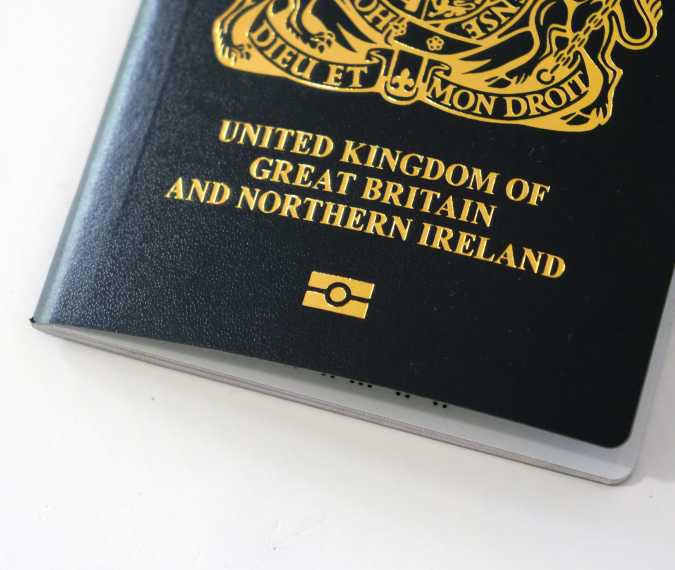
Some Brits will soon need passports to visit Ireland
Travelers planning a ferry trip from Great Britain to Ireland this autumn should make sure they have a valid passport with them, as new identification requirements are about to come into effect.
From Monday, September 28, passengers traveling on certain ferry routes between Britain and the Republic of Ireland will be required to present a valid passport before departure. Other types of photographic identification previously accepted will no longer be sufficient.
Which ferry routes are affected?
The new requirement will apply to passengers using Stena Line and Irish Ferries on the following routes:
Holyhead to Dublin
Fishguard to Rosslare
Until now, travelers have been able to use several alternatives to a passport, including certain travel passes, employee identification cards and international student cards.
Under the new arrangements, however, passengers traveling on the affected routes will need a passport regardless of their nationality or age.
The change is linked to UK Border Force requirements designed to improve the accuracy of passenger information collected before people board their ferry.
Stena Line has also confirmed that its customer service team is contacting passengers who already have reservations so they are aware of the new requirements before traveling.
What about ferries traveling through Northern Ireland?
The passport requirement does not apply to every ferry connection between Great Britain and the island of Ireland.
Passengers using Stena Line services involving Belfast, Liverpool, Cairnryan or Heysham can continue to travel using an accepted form of photographic identification rather than necessarily carrying a passport.
There are also no routine passport controls for people traveling across the land border between Northern Ireland and the Republic of Ireland.
Does the Common Travel Area still apply?
Yes. The introduction of the ferry requirement does not mean that the Common Travel Area has ended.
The UK, Ireland, the Isle of Man and the Channel Islands remain within the Common Travel Area, an arrangement that allows British and Irish citizens to move between participating territories without being legally required to carry a passport simply because they are crossing between them.
Transport companies can nevertheless impose their own identification requirements on passengers.
That distinction is important for travelers. Even when immigration rules do not legally require a passport, the airline or ferry operator you are traveling with may require one before allowing you to board.
Flying between Britain and Ireland?
Similar identification policies already apply to some flights.
Both Aer Lingus and Ryanair require passengers traveling between Great Britain and Ireland to present a passport for these journeys rather than relying on alternative photographic identification.
For travelers, the simplest approach is therefore to carry a valid passport whenever traveling from Britain to Ireland, whether the journey involves a plane or one of the ferry routes affected by the new rules.
Checking both your passport validity and your transport operator's identification requirements before leaving home could prevent an unpleasant surprise at the airport or ferry terminal.

